
Engineering Friendly Product Manager
The product manager role has been gaining popularity in the tech industry over the recent years. As more companies add PMs to their organisation charts, there is still a lot of experimentation with team setups to find the best alignment possible between product and engineering.
Strategies to make it work are well covered in Martin Fowler’s website, in this article I’ll focus on more on the engineer’s perspective and what are our expectations for a good product manager.
What Not to Expect
As an engineer myself I have observed friction coming from both sides, but also some productive partnerships, and while one can argue that the team or the organisation can influence the outcome, it mostly depends on how much each function is willing to collaborate with the other.
Let’s do an exercise and think about these expectations in reverse. I believe the PM role is still early days, and because of that, it assumes different shapes, especially in less mature companies.
Excel Manager
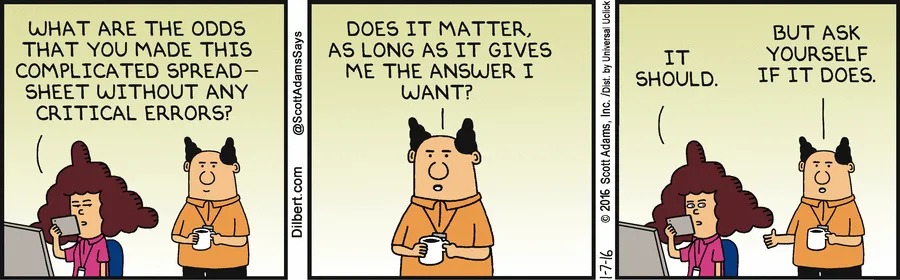
An ace with macros and a master at reporting progress in the weekly steering. The excel manager cares very little about the product lifecycle and will spend all of her chips in getting the devs to commit to those deadlines.
Featurist
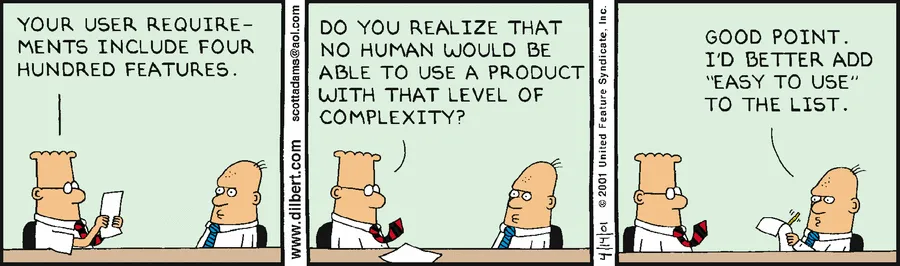
Top specialist in 360 market research. She knows all about Steve Jobs and the story of the iPod, and care about the product lifecycle, but can’t afford to lose time building strategies.
Retired Programmer
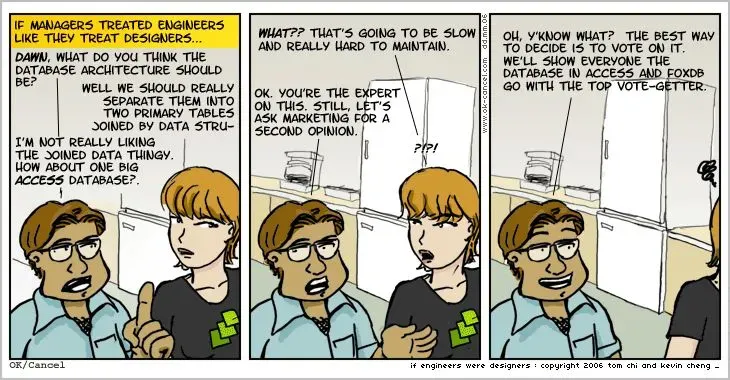
Displeased with the idea of being code monkey forever, she abandoned engineering in the search for happiness and success. Looking with regret at the life she left behind.
King’s Hand
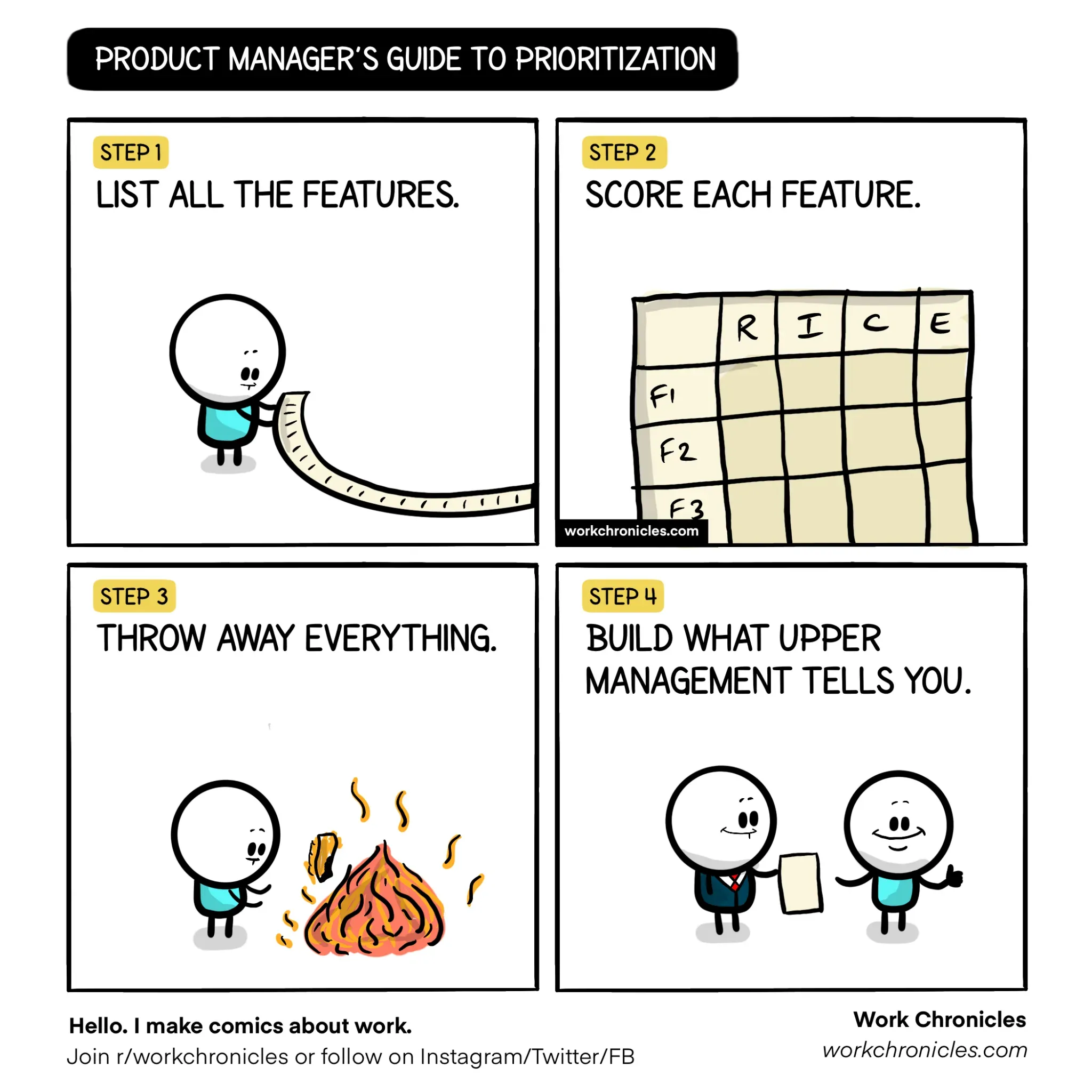
Why sharing one’s ideas when we’re all here to serve a greater purpose? Like an all-pass filter, the king’s hand is taking no chance at fingers pointing on her direction.
The Single Idea of Product Management
What the above stereotypes have in common (intentionally) is that all of them delegate business calls to the leadership layer. More than design or implementation, the PM is accountable for the entire product lifecycle from idea through implementation to customer feedback and market performance.
That being said, how the partnership is implemented is a different story. The most successful teams I’ve integrated are the ones where the PM is there, sometimes even under the same leadership/reporting line.
Onboard the Team Into the Business
One of the things that always bothered me is how little engineers know about the products they’re building. One of the advantages of doing business at a lower level, is that this barrier can be broken. Recurring discussions with the team about the product’s performance is a powerful way of fostering innovation and keeping motivation levels high.
One Roadmap to Rule Them All
Building a technical roadmap while working on a product team was one of the most counter productive experiences I’ve had. While it’s important to keep track of tech debt that needs to be paid, if there’s no buy in from product, experience tells me that those tasks are never going to be implemented.
Target Dates, Not Deadlines
If you want to stress out an engineer, ask him for an ETA or to commit to a deadline set by leadership. Building software under pressure only causes harm to the business.
Final Remarks
What the perfect PM should be like is still an open question, but it is clear that if both product and engineering work towards building an effective partnership, the results can be far more productive. From an engineer’s point of view, the ideal PM is not a stakeholder but a peer instead, pretty much like the CEO of a small startup inside the wider company.