Evolution of AI and Amara's Law
“We tend to overestimate the effect of a technology in the short run and underestimate the effect in the long run.” — Roy Amara
It’s unquestionable the impact AI had in the world in the last year. Back in October 2022, I wrote about the fast-paced evolution of AI and how everything that was possible at the time felt like magic. Given everything that happened since then, I think it deserves a follow-up.
Last time I focused on the technology itself, what advancements were key to enabling GPTs, and made some predictions about the future. Some spot on, some maybe not. One year ago, the main topic was the sudden rise of AI applications since the creation of transformers. Since then, the speed of innovation hasn’t decreased one bit, quite the opposite.
Where we are
The AI landscape has dramatically evolved over the last year, marked by significant investments, technological advancements, and a surge in AI applications across various sectors.
OpenAI and Microsoft
OpenAI’s collaboration with Microsoft, marked by substantial investments, has led to groundbreaking developments like GPT-4, the OpenAI API, and the GPT Store.
Nvidia
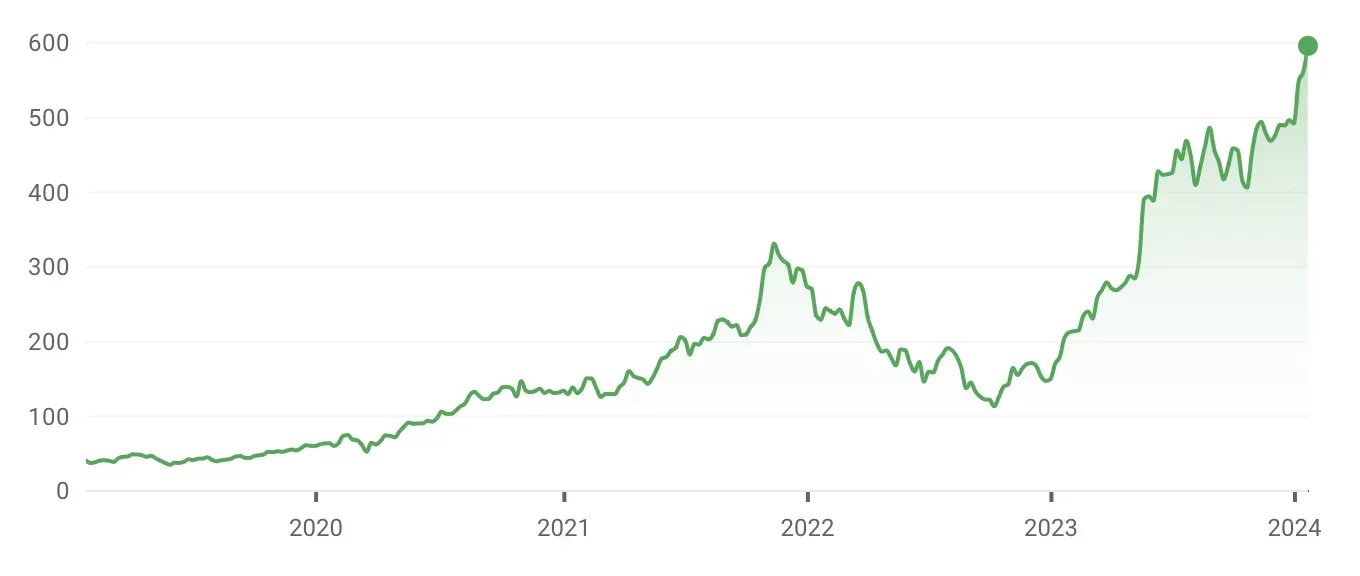
Nvidia’s role as the leading hardware provider for AI models is pivotal. The surge in their stock price reflects the critical demand for their GPUs, necessary for training and running AI models.
Google’s launch of its AI models signifies its determination to remain at the forefront of technological innovation.
Amazon
Amazon has made significant strides in AI, marked by its investments in Anthropic, the launch of Bedrock, and the development of Titan models.
Meta
Meta’s contribution to open-source AI models, coupled with technologies like Ollama, is a game-changer. By enabling the local operation of powerful AI models, these initiatives democratize AI.
RAG Applications
The increasing use of Retrieval-Augmented Generation (RAG) techniques marks a significant evolution in AI applications. The most used tools in this space are llamaindex and langchain.
Concerns
Lack of Knowledge, AGI, and Alignment
The understanding of how neural networks operate is still limited. There’s a concern that AGI could lead to unforeseen and potentially catastrophic outcomes.
Copyright Issues
As AI models are often trained on publicly available data, copyright concerns, particularly regarding artistic work, have emerged.
Business Model and Sustainability
Despite the substantial revenues generated by companies like OpenAI, the path to profitability remains unclear.
What now?
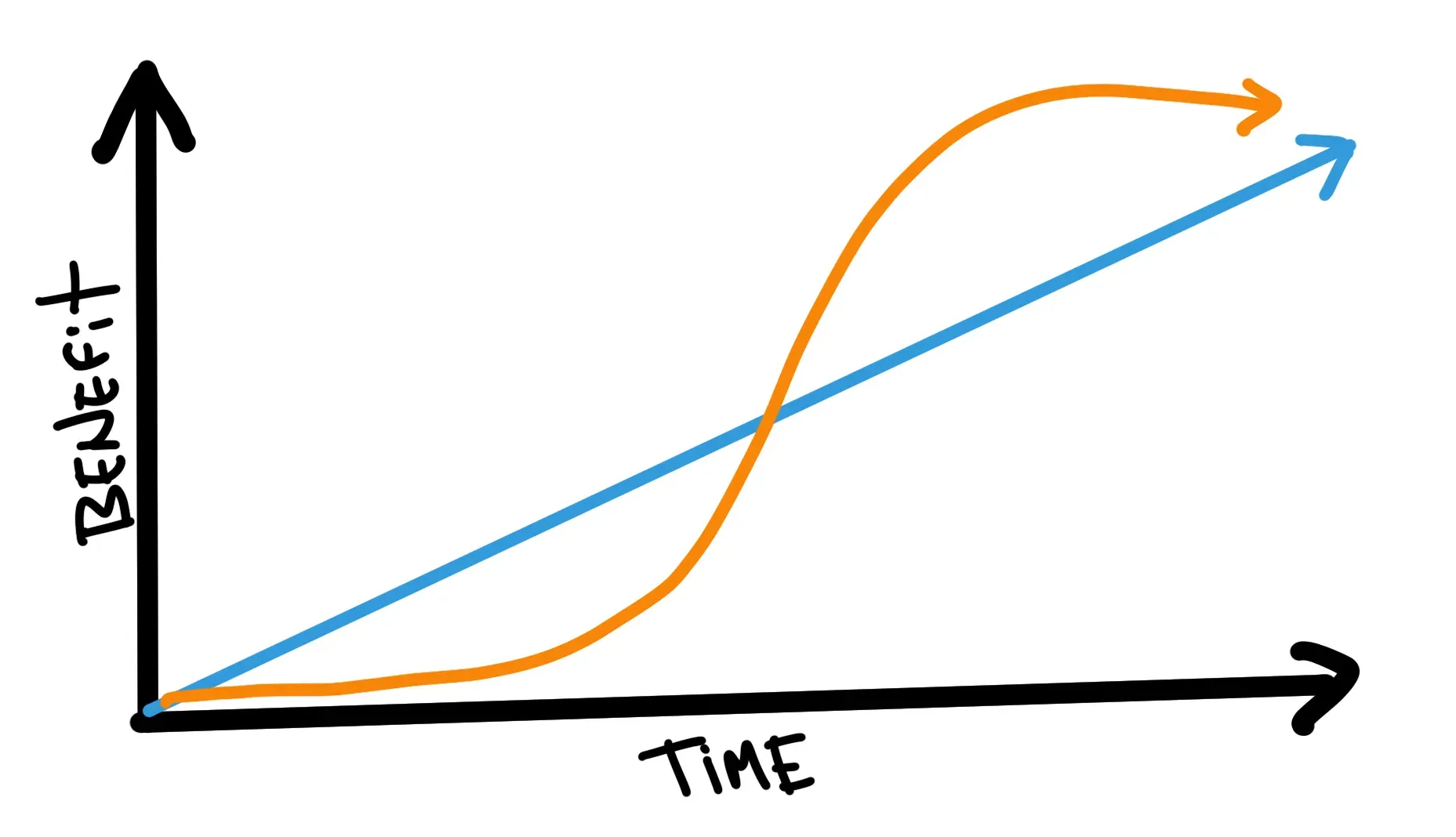
Amara’s law, coined by Roy Amara, a respected researcher and futurist, states:
“We tend to overestimate the effect of a technology in the short run and underestimate the effect in the long run.” — Roy Amara
Short-Term Perspectives
In the short term, the excitement surrounding AI’s capabilities can typically lead to inflated expectations. The immediate future of AI is more about incremental improvements and finding effective ways to integrate these technologies into existing systems responsibly and ethically.
Long-Term Projections
Looking at the long-term impact of AI, we might be underestimating its potential transformative effects. Over time, AI could reshape entire industries, revolutionize scientific research, and alter the fabric of social interactions.
Conclusion
Amara’s law aptly captures the dichotomy in our perception of technological advancements like AI. The journey of AI is a marathon, not a sprint. It requires careful consideration, ethical stewardship, and a commitment to ongoing research and development.